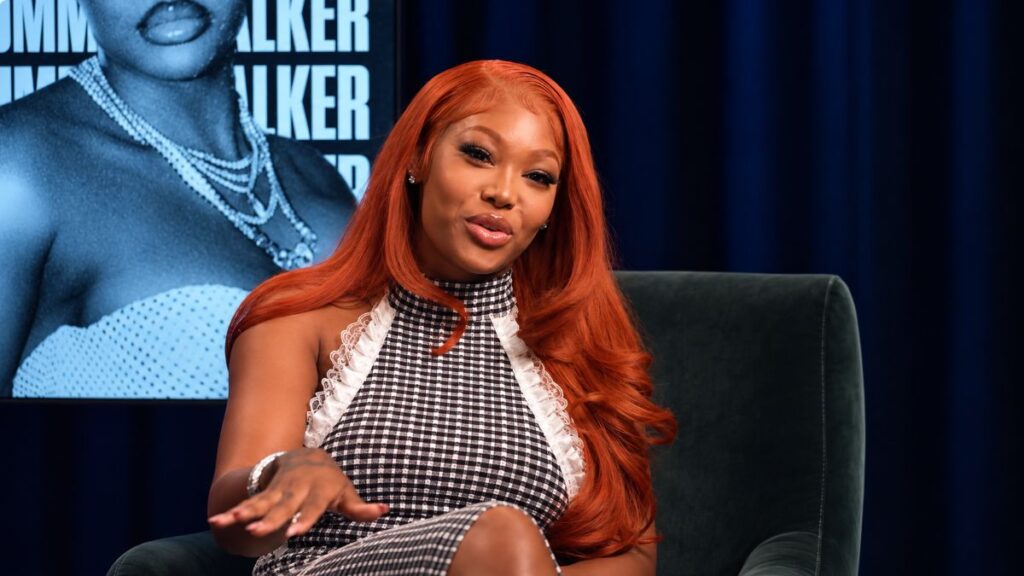
The diarist who made the relationship album an ongoing saga
Summer Walker’s breakthrough was built on a deceptively quiet sound: slow-burning arrangements, understated singing and words that feel pulled from an argument still in progress. *Last Day of Summer* established the mood; *Over It* (2019) broadened it into a recognizable world. Her influence lies in making a contemporary relationship record feel serialized, with listeners following the emotional consequences from one release to the next.
The appeal isn’t only candor. Walker has an ear for melody that sits low in the mix, allowing a song to sound almost private even at blockbuster scale. That tension between low-key performance and wide public impact helped define a streaming-era branch of R&B.
A trilogy about love, limits and self-definition
*Still Over It* (2021) made the ongoing narrative explicit, using sequencing and pointed writing to turn heartbreak into a full-length listening experience. *Finally Over It* (2025) completed the album trilogy, reframing recurring questions about commitment, self-protection and what people accept from partners. The progression is more complicated than a simple victory story: her narrators can demand peace while remaining drawn to the situations that disturb it.
By the time “Heart of a Woman” entered the 2026 Grammy conversation, Walker’s broader significance was clear. She had made the details of an ordinary romantic argument part of R&B’s central commercial language.
Essential listening
Begin with “Girls Need Love,” “Playing Games,” “Session 32,” “Unloyal” and “Heart of a Woman.” Then hear the three *Over It* albums in sequence; their changing point of view is part of the musical argument. Walker matters because she turned personal ambivalence into a coherent, influential body of work.
The larger impact
Walker helped make the full-length R&B album relevant to audiences accustomed to hearing individual songs out of sequence. The repeating motifs across her trilogy reward listeners who remember what came before, while each record still contains moments that operate as stand-alone hits. That balance matters in a genre where attention is scattered across playlists and social platforms. Her work shows that serialized emotional storytelling can still give an album a purpose beyond collecting streaming singles.
The Conversation